League of Legends 26.16 Systems First Classic Checklist
Aug-15-2026 PST
League of Legends 26.16 is a systems-first Classic checkpoint
League of Legends Patch 26.16 should be read first as a Classic gameplay checkpoint, not as a general August catch-all. Mobalytics presents a Classic upcoming patch preview for Patch 26.16, while AltChar and GameRiv both frame their coverage around Classic balance and system work.
That angle is sharper than a simple queue checklist. The player value is deciding which parts of practice may need review before the patch lands: champion pools, lane pressure, jungle routes, reset timing, and whether cosmetic timing belongs in a separate patch lane.
That order also protects readers from overreacting to incomplete patch chatter. A systems-first reading asks what could change in ordinary games before it asks which champion becomes fashionable. If the final notes keep a player's main untouched, gold, turrets, runes, jungle camps, or Homeguard can still change the feel of lane phase or reset planning.
The strongest number is still 19 champion changes
The safest headline number is 19. AltChar says League of Legends Classic Patch 26. 16 brings 19 champion changes, and GameRiv describes balance changes for 19 champions as part of a major Classic update.
That count matters because it signals a broad pass without requiring unsupported detail. A player can reasonably treat 19 changes as a reason to recheck mains, backups, and common counters. The previews do not provide every champion name, ratio, cooldown, or lane outcome, so this is not a tier-list moment.
The practical move is triage. If your champion pool is narrow, wait for itemized notes before changing builds. If your pool is wide, reserve practice time for matchups likely to shift after the full list appears.
This is especially useful for players who cannot practice every night. The 19-change count says the patch is large enough to deserve attention, but it does not say every role is equally disrupted. Put your own champions, your usual counters, and your most common duo or lane partner picks at the top of the review list.
VPEsports also keeps Patch 26.16 in a broader notes lane through independent public coverage that points readers toward champion changes, item updates, skins, meta impact, builds, and counters.
Three added Classic champions raise draft pressure
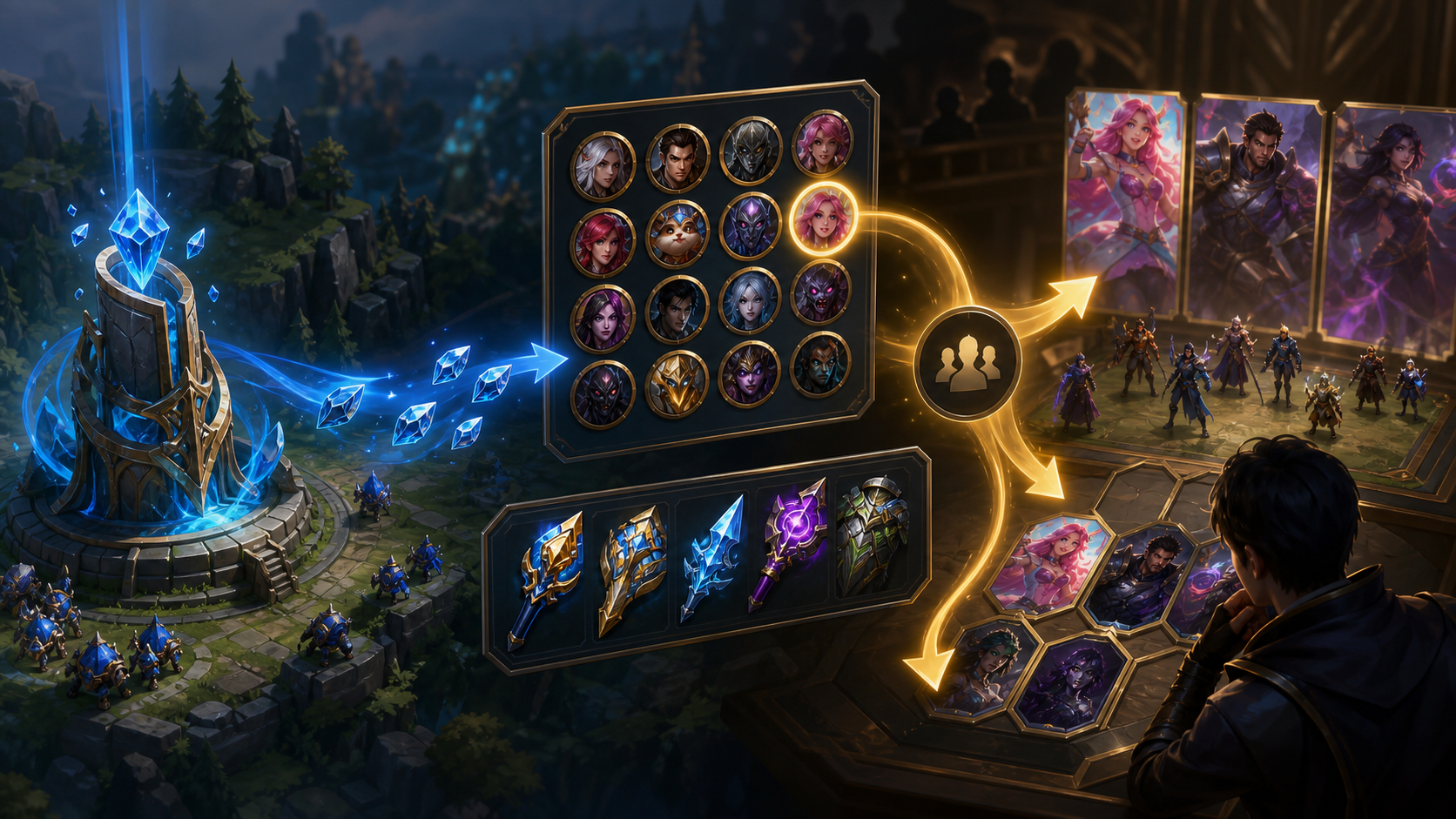
AltChar also says Patch 26. 16 adds three new Classic champions. Sportskeeda points to new champions, rune adjustments, turret changes, and more for League of Legends Classic in the same patch window.
AltChar and Sportskeeda do not name those three champions in the available descriptions, so a responsible guide should not guess. The important player impact is draft pressure. New Classic champions can change what opponents test, what lane partners request in scrims, and which counter-picks feel urgent once full patch notes arrive.
For solo queue, that can matter before exact win rates exist. A new champion can pull bans, change comfort-matchup frequency, or force players to learn one more lane pattern. The right preparation is flexibility, not a premature claim that any specific pick becomes mandatory.
The same logic applies to organized play or friend groups. Three additions can change what teammates ask to test and what opponents may first-pick for familiarity rather than strength. Until names and numbers are available, the safest preparation is leaving practice space open instead of filling every session with old matchup assumptions.
Gold and turret changes can move the tempo line
AltChar names gold and turrets among the major update areas. GameRiv also describes several Summoner's Rift system changes in its Classic preview. Those two categories can reshape games even if a player's main champion is untouched.
Gold changes affect item timing, recall value, and how punishing an early mistake feels. Turret changes affect lane safety, dive windows, and how much pressure a winning lane can convert into map control. None of those effects require a direct champion buff to matter.
Players should read the final notes by role and by objective pattern. Laners should check whether turret pressure becomes safer or riskier. Junglers and roaming mids should watch whether early gold timing changes when a lane can realistically be attacked.
The most important impact is pacing. If gold timing shifts, a lane that used to recall with a clean buy may need one more wave or a safer back. If turret rules shift, the same minion wave can produce a different risk calculation for plates, dives, or early objective movement.
Runes, jungle camps, and Homeguard change habits
AltChar's preview also names runes, jungle camps, and Homeguard. Sportskeeda's Patch 26. 16 coverage points to rune adjustments and other Classic changes, while GameRiv keeps the focus on Summoner's Rift systems.
Rune changes can alter early trades, sustain, and all-in windows. Jungle camp changes can adjust route value, first-contest timing, and whether a reset feels efficient. Homeguard changes matter because movement out of base affects tempo after recalls, deaths, and objective setups.
This is the part of 26. 16 that most rewards habit review. Players often notice champion changes first, but system changes can quietly decide when to recall, when to push, and when a tempo lead is real enough to force an objective.
That is why junglers should not wait only for champion-specific notes. Camp changes can make a familiar opening route less efficient or make a contested camp more valuable. Homeguard belongs in the same review because faster or slower returns can affect defense, objective setups, and how quickly a mistake can be repaired.
Keep 26.16 gameplay separate from 26.17 skins
Patch boundaries matter. VPEsports describes its Patch 26.16 page as covering champion changes, item updates, new skins, meta impact, builds, and counters. AltChar's separate Heartsong Seraphine report says that Legendary skin arrives with Patch 26.17.
Players. com. ua also treats Patch 26. 17 as a separate upcoming update with expected balance changes and new skins, and says it will hit live servers on Wednesday, August 26, 2026.
For this article, that makes Heartsong Seraphine a 26. 17 timing item. It can be relevant to broader League of Legends planning, but it should not distract from the 26. 16 Classic questions about champions, systems, and role habits.
The separation is useful for readers who track both gameplay and cosmetics. A skin date can shape store or event expectations, while Classic system notes shape match preparation. Keeping those questions apart prevents a 26. 17 cosmetic detail from being treated like evidence about 26. 16 balance.
The practical vocabulary around this story is 26. 16 and 26. 17. Those terms are not just decoration for League of Legends fans; they are the pieces a player can search, compare, and revisit after logging in. That is especially important for US and European readers who may be catching up across time zones, platform communities, and separate discussion spaces rather than following every patch note as it lands.
Which 26.16 lane should you follow first?
Use the patch lane that changes your next session, not the lane with the loudest headline. The Classic coverage gives enough direction to separate immediate gameplay review from later cosmetic timing.
| Need | Evidence lane | Next check | Risk | |---|---|---|---| | Champion pool | AltChar and GameRiv's 19-change count | Check mains and counters | Stale matchup practice | | Role tempo | Gold, turret, rune, camp, and Homeguard mentions | Recheck recalls and routes | Mistimed pressure windows | | Roster awareness | New Classic champions | Keep practice space open | Narrow draft plans | | Skin timing | Patch 26.
17
reports | Separate Heartsong Seraphine | Mixed patch calendars |
This split gives players a cleaner reading order. Start with systems and champion availability, then move to cosmetic timing only after the gameplay checklist is stable. That order keeps practice focused before notes are itemized.
If you only have time for one pass, read the lanes in order of direct gameplay impact. Champion and system notes affect what happens in your next match. The 26. 17 skin lane matters for planning around a later update, but it should not decide which champion, rune page, or jungle path you test first.
Mobalytics adds a patch-cycle angle that players can use to separate immediate gameplay changes from longer-term expectations. For League of Legends players, that makes Legends Classic Upcoming Patch, Patch Preview, and Legends Guide
FAQ
What is confirmed by the current coverage?
The main takeaway is that Patch 26. 16 is best treated as a Classic systems-first checkpoint. Mobalytics, AltChar, GameRiv, and Sportskeeda all point readers toward Classic patch coverage, champion work, new champions, or system changes. That makes gameplay preparation the stronger angle than a broad roundup.
What should players check next?
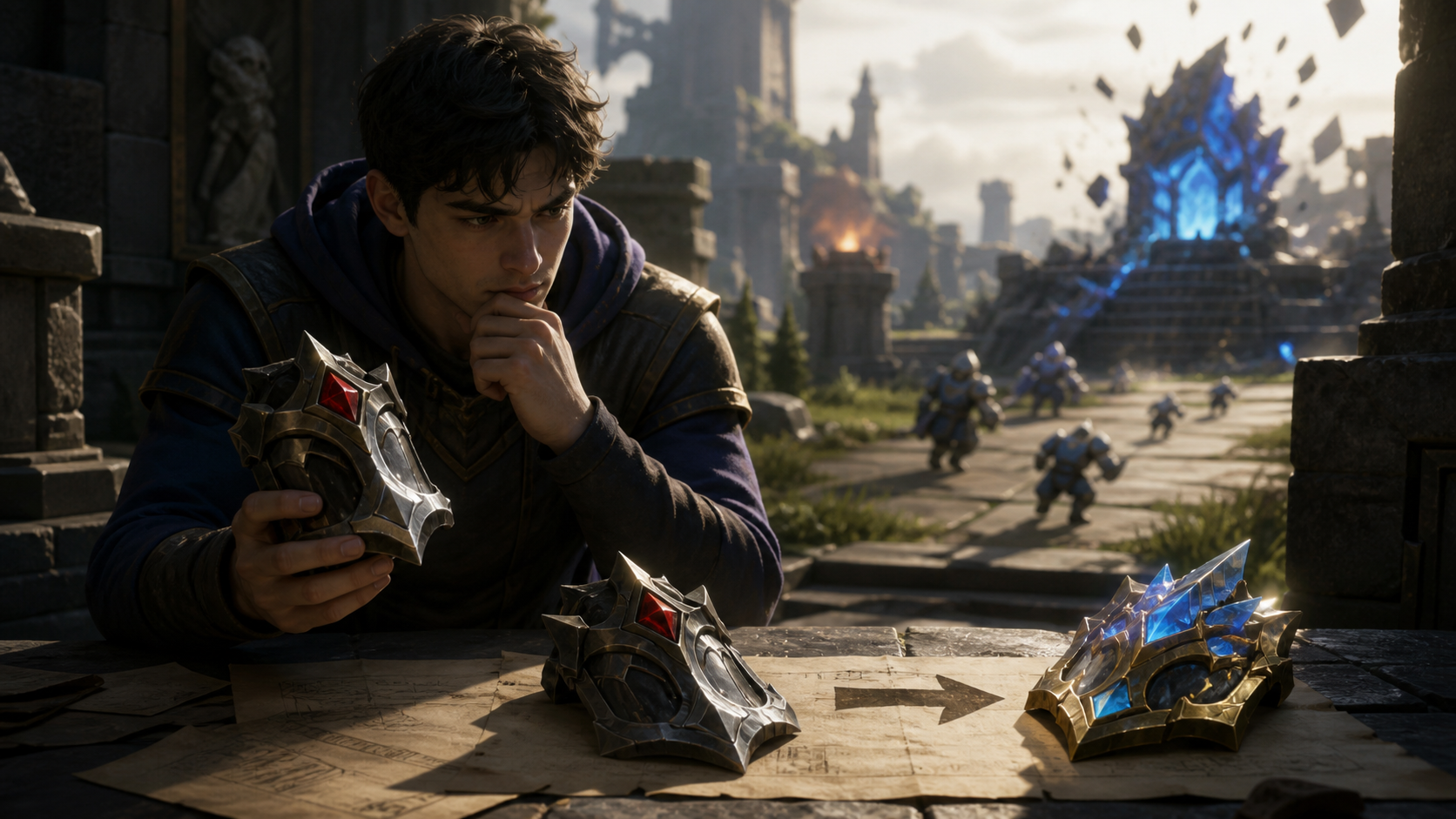
For players, the impact is practical. Do not rebuild a champion plan from one partial headline. First identify whether your role is touched by champion balance, new Classic roster entries, gold, turrets, runes, jungle camps, or Homeguard. Then wait for itemized details before making final build or ban decisions, especially if your next session depends on one role.