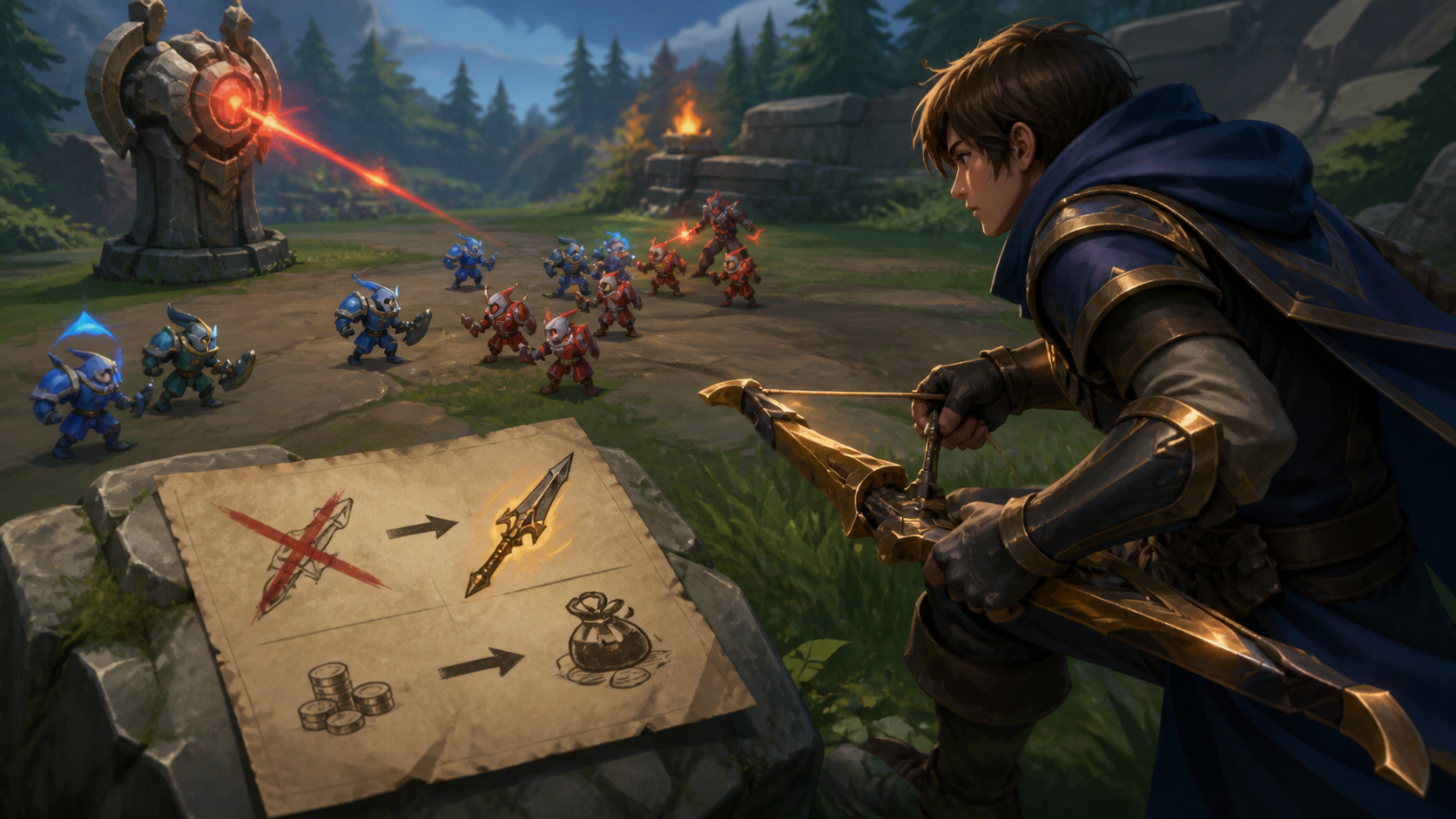
League of Legends 26.16 Splits Gameplay From Cosmetics
Aug-17-2026 PST
Riot sets the live-patch baseline
League of Legends 26.16 is easier to read when Riot's own page comes first, because it is the direct game-update record for the live client. Riot published League of Legends Patch 26.16 Notes on August 11, 2026, and that official page should frame every later player decision.
The player impact is simple: start there before reacting to summaries, skin posts, or Classic previews. Riot's page is the safest place to confirm what belongs to the live patch. If a third-party page describes impact, builds, counters, or shop interest, it should sit beside the official baseline rather than replace it.
That order also protects players from mixing patch jobs. A live note can affect ordinary queues, while a Classic preview or skin article can answer a different question. Treating them as one headline makes Patch 26. 16 feel noisier than it is. The cleaner reading is to ask what choice each page helps with before changing builds, queue plans, or purchase expectations. That makes the official note a starting point, not just another link in
a
crowded update feed.
Classic carries the biggest gameplay checklist
The strongest gameplay lane outside Riot's page is League of Legends Classic. AltChar says its Classic Patch 26.16 preview brings 19 champion changes, three new classic champions, and major updates to gold, turrets, runes, jungle camps, and Homeguard. Mobalytics also lists a League of Legends Classic Upcoming Patch Preview for Patch 26.16.
For players, that means Classic deserves a separate prep pass. Gold and turret changes can reshape lane pressure, jungle camp changes can alter first-route comfort, rune updates can change setup habits, and Homeguard changes can affect early movement expectations. Even without every value itemized here, the categories are broad enough to matter before queueing.
The right takeaway is not that Classic defines all of 26. 16. It is that Classic has the clearest systems checklist in the named coverage, so Classic players should not rely only on a general live-patch breakdown. A player who only skims champion names may miss economy, map, and movement categories that can change how familiar picks actually feel. The category spread is the warning sign: this is preparation for rules and tempo, not only
damage
numbers.
Breakdowns help after facts are checked
Mobalytics and VPEsports both provide Patch 26. 16-facing breakdown material, but their best use is interpretation after the official notes. Mobalytics describes its patch notes breakdown as covering the latest League of Legends changes. VPEsports presents a Patch 26. 16 summary with champion changes, item updates, new skins, meta impact, and links to builds and counters.
That makes these pages useful for planning rather than primary confirmation. A player can check Riot first, then use breakdown coverage to think about lanes, builds, counters, and likely meta pressure. The distinction matters because a summary may organize information well while still being one step removed from the official update.
This lane is especially useful for players who do not need every patch-note line at once, especially late in a patch week. It turns the patch into decisions: what to test, what to avoid, what to bookmark, and which matchups may deserve a second look. VPEsports' promise of links to builds and counters makes the lane practical for post-notes planning, if players remember that convenience is not the same as clear original confirmation.
Skin stories answer a different question
Skin coverage belongs in the patch conversation, but it should not be treated as gameplay proof. Mobalytics published "New Skins Coming to LoL on This Patch," and the title places that story in a League of Legends patch-skin lane. That is relevant for players checking cosmetics, splash art interest, or shop timing during the wider update cycle.
The player impact is narrower than the Classic lane, but still useful for collectors. A skin story can guide a purchase or collection decision, but it does not tell players whether a champion, item, rune, jungle camp, turret, or Homeguard change will affect games. Keeping that boundary clear prevents cosmetic news from being mistaken for balance advice.
AltChar's Heartsong Seraphine article also helps with scope, because its own title places that Legendary skin with Patch 26. 17 rather than 26. 16. That makes it a separate timing note, not a reason to fold every nearby skin headline into this patch. Players following cosmetics should therefore check the named patch number before assuming a skin belongs to the same update as gameplay coverage.
Pick the lane that matches your decision
Patch 26. 16 is best treated as a decision map, not a single reading pile. The official page answers what Riot published for the live client. Classic previews answer what the alternate ruleset may demand from players. Breakdowns help translate changes into builds, counters, and meta reads. Skin coverage answers purchase interest.
| Player need | Best first stop | What it can decide | Limit | |---|---|---|---| | Confirm live patch facts | Riot notes | Baseline reading | Not a Classic-only guide | | Prepare Classic queues | AltChar or Mobalytics Classic preview | Systems and champion prep | Not skin advice | | Plan builds or counters | Mobalytics or VPEsports breakdown | Practical interpretation | Not the official record | | Browse cosmetics
| Mobalytics skin coverage | Shop or collection interest | Not balance proof |
This split is useful because each source lane has a different risk. The wrong order can send a player toward cosmetic browsing when the real question is jungle tempo, or toward a meta summary before the live patch baseline is checked. The table also keeps purchase choices separate from queue choices, which is the main service a broad 26. 16 roundup can give. It gives returning players a quick route without pretending every source serves
the
same moment.
What Classic changes could mean in practice
AltChar's Classic preview is the densest single item because it names both champion and systems categories. Nineteen champion changes create a roster-level reason to read carefully. Three new classic champions add selection pressure. Gold, turret, rune, jungle camp, and Homeguard updates stretch beyond isolated character tuning.
Those categories touch different player habits. Laners may need to watch gold and turret expectations before judging trades. Junglers may need to revisit camp flow before assuming familiar routes. Players who rely on rune comfort should check whether setup defaults still fit. Homeguard changes can influence how early movement feels after recalls or deaths.
The key limit is just as important: these excerpts do not provide every value, target, or matchup consequence. A cautious Classic player should use the preview lane as a checklist for what to inspect, not as a finished tier list. That checklist can still save time: it tells you which systems to inspect before judging whether an old comfort pick remains safe. It also tells premade groups which assumptions to compare before locking roles.
The next check is 26. 16 and Patch Notes. For League of Legends, that means the story should end with a clear reader decision rather than a vague sense that something happened. Players who are already active can test whether the change affects their routine, while returning players can wait for the next official clarification before committing time or money.
Use 26.17 Seraphine coverage as a scope check
The Heartsong Seraphine story is valuable here mainly because it keeps Patch 26. 16 from absorbing unrelated timing. AltChar's title says the Legendary Heartsong Seraphine skin is arriving with Patch 26. 17 and covers release date, price, PBE details, and a charity campaign. That is a different patch lane.
For readers, the practical effect is scope discipline across a busy news week. If the question is League of Legends 26. 16 gameplay, Heartsong Seraphine should not change champion, item, Classic, jungle, rune, turret, or Homeguard expectations. If the question is cosmetic timing around Seraphine, the 26. 17 label matters more than the 26. 16 coverage.
That separation also makes the skin lane more useful. Cosmetics can still be worth following, but players should attach them to the patch number named by the source rather than treating nearby League of Legends headlines as interchangeable. For Seraphine fans, the useful action is to follow the Patch 26. 17 coverage for price, PBE, release-date, and charity details instead of reading it as a 26. 16 balance signal.
Mobalytics adds a patch-cycle angle that players can use to separate immediate gameplay changes from longer-term expectations. For League of Legends players, that makes Legends Classic Upcoming Patch, Patch Preview, and Legends Guide the part to watch: it can affect build routes, endgame priorities, or the decision to wait for a more complete patch breakdown before changing plans.
FAQ
What is confirmed by the current coverage?
Open Riot's League of Legends Patch 26. 16 notes first. It is the official live-client baseline for this patch, published on August 11, 2026. After that, choose the next lane by need: Classic previews for Classic systems, Mobalytics or VPEsports breakdowns for builds and counters, and Mobalytics skin coverage for cosmetics. That order gives every page a job without making unofficial summaries carry more weight than they should. It is
What should players check next?
the