League of Legends 26.16 reading order for Classic players
Aug-16-2026 PST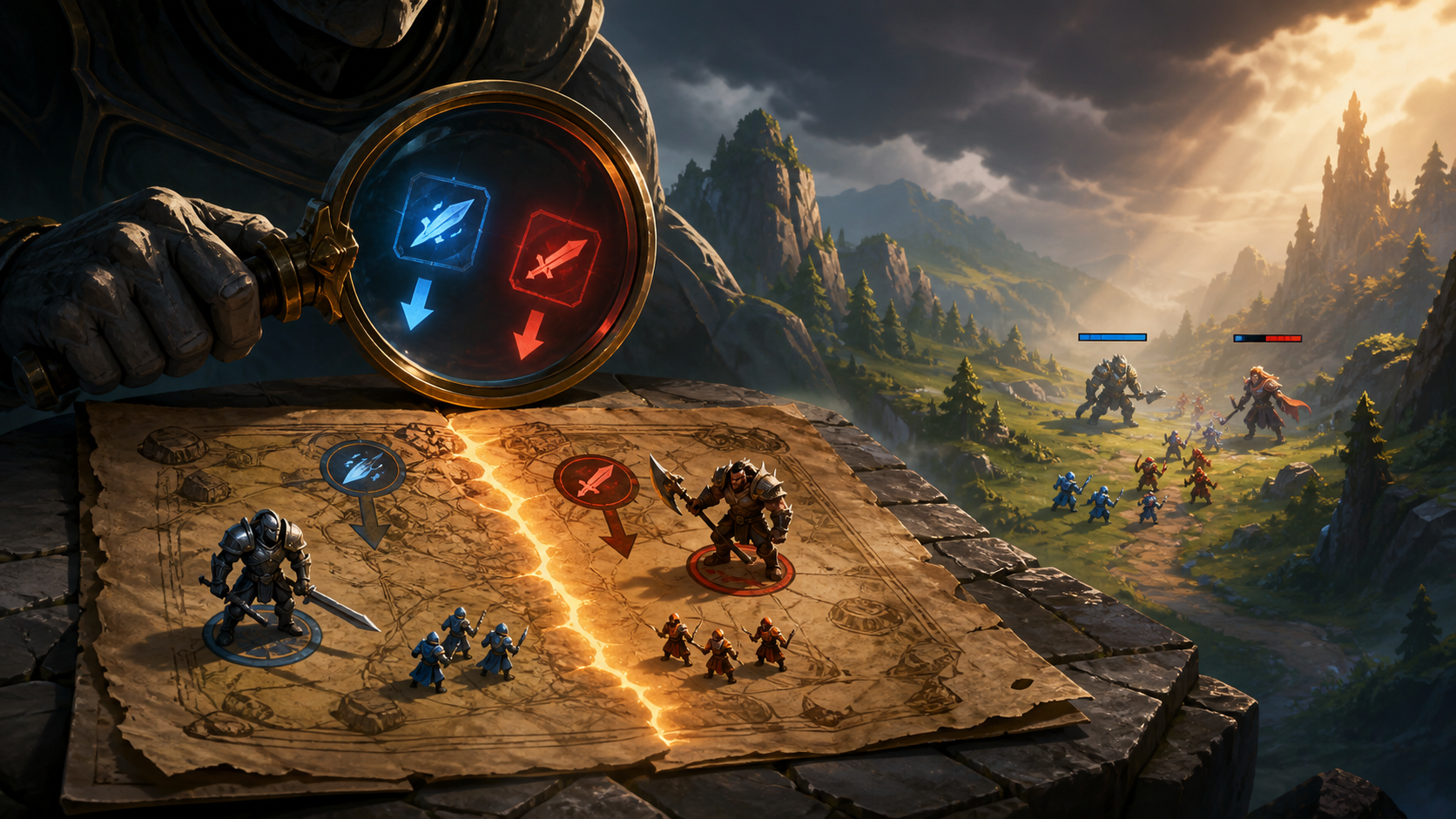
The useful 26.16 question is where to read first
League of Legends Patch 26.16 is easiest to use when players treat it as a routing problem, not one mixed headline. AltChar reports a Classic preview with 19 champion changes, three new classic champions, and updates to gold, turrets, runes, jungle camps, and Homeguard. Mobalytics also labels its page as a Classic upcoming patch preview for Patch 26.16.
That makes the first player decision simple. If your next games are in Classic, start with the Classic preview because it names the categories most likely to change early decisions. If you are checking broader League of Legends patch coverage, move to general notes afterward. If you came for Heartsong Seraphine, that is a later skin story and should not steer Classic expectations.
The player impact is avoiding a bad shortcut. One patch number can cover balance, systems, cosmetics, and commentary, but each page carries a different use case. Reading in the right order keeps a Classic player from copying a general-patch assumption into a mode-specific environment, then blaming the wrong change when an early lane or jungle plan feels different.
Classic coverage changes more than champion expectations
The Classic preview matters because its scope reaches beyond a list of champion buffs and nerfs. AltChar names 19 champion changes, but it also names system categories: gold, turrets, runes, jungle camps, and Homeguard. Those areas shape how a match starts, how pressure is converted, and how quickly mistakes turn into map movement.
For players, that means the safest preparation is category-based. Do not build a final tier list from a summary that does not list champion names or values. Instead, expect familiar habits to need a fresh check. Lane economy, turret pressure, rune setup, jungle path timing, and return speed all affect how early plans feel once the Classic update is actually playable.
This is especially important for players returning to Classic after relying on muscle memory. A small change in economy or travel rhythm can make an old recall, dive, or camp sequence feel off. The preview does not explain the exact cause yet, so the useful move is to test the named systems before locking in old routines across ranked sessions or casual practice blocks.
See the independent public coverage for the underlying evidence.
General patch notes answer the full-game question
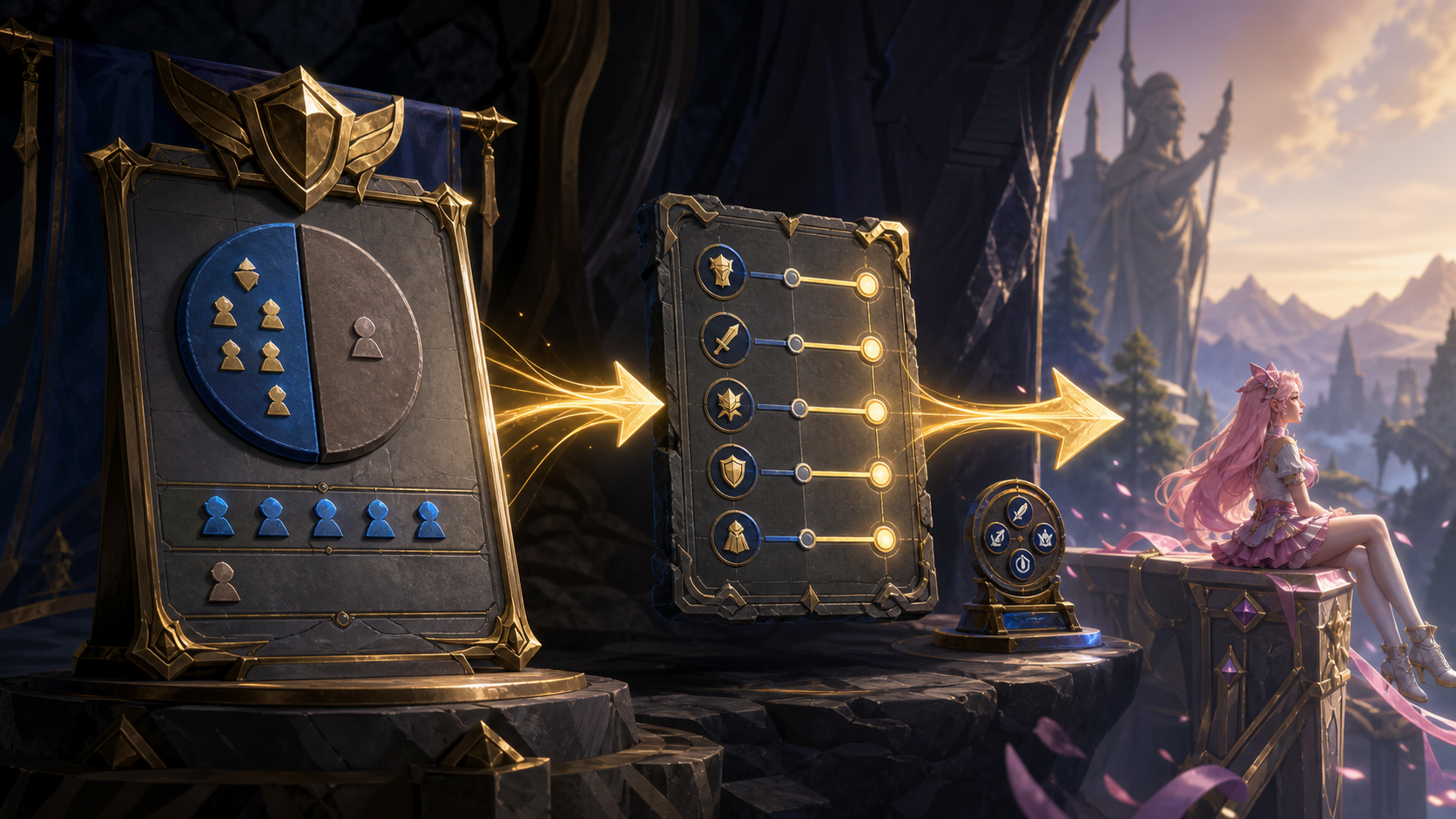
General 26.16 pages still have value, but they answer a wider question than Classic preparation. VPEsports describes Patch 26.16 coverage with champion changes, item updates, new skins, meta impact, and links to builds and counters. Mobalytics separately presents a League of Legends patch notes breakdown for the latest changes.
That broader lane is useful if you want to understand the patch environment around the regular game. It can point you toward items, skins, meta commentary, and follow-up build pages. It should not be read as proof that every general note works the same way inside Classic. Players who move between queues should keep one tab for Classic and one tab for general patch context.
The split also helps groups plan together. A duo or team may include one player focused on Classic while another checks current item or counter information. Those players can share the same Patch 26. 16 calendar while still using different pages for different decisions during patch week planning sessions together. That prevents one broad patch page from becoming a substitute for mode-specific preparation.
Heartsong Seraphine sits outside the Classic 26.16 choice
The skin thread is the easiest place to make a patch-number mistake. AltChar’s Heartsong Seraphine report says the skin is a new Legendary League of Legends skin arriving with Patch 26.17, with release date, price, PBE details, and a charity campaign covered there. That places it beside the 26.16 conversation as a nearby follow-up, not inside the Classic 26.16 systems package.
Mobalytics also has a separate page for new skins coming to this patch, which reinforces the need to keep cosmetic reading separate from gameplay reading. Skin interest is real player interest, especially for a Legendary release, but it does not change what the Classic preview says about gold, turrets, runes, jungle camps, Homeguard, or champion-change scale.
That boundary matters because cosmetic timing can dominate attention while gameplay preparation remains unfinished. A Seraphine player can follow the 26. 17 skin details without treating them as balance instructions. A Classic player can ignore the skin lane until after checking whether the mode’s economy, map pressure, and return timing need new habits.
A source lane table prevents wrong conclusions
Use the 26. 16 coverage by matching the page to the question you are asking. The table keeps the choice concrete without inventing values that the summaries do not provide.
| Question | Lane | Confirmed detail | Player impact | |---|---|---|---| | Classic changes? | AltChar Classic | 19 champion changes | Recheck matchups | | Tempo systems? | AltChar Classic | Gold, turrets, runes, camps, Homeguard | Test openings | | Classic overview? | Mobalytics Classic | Patch 26. 16 guide | Follow mode framing | | Wider patch? | VPEsports, Mobalytics | Items, skins, meta | Split full-game planning | | Seraphine?
|
AltChar skin report | Patch 26. 17 Legendary skin | Track cosmetics separately |
The practical rule is to let each source do its own job. Classic pages guide Classic readiness. General notes broaden the view. Skin pages answer ownership, price, release, PBE, and charity questions.
This table also shows why a single headline cannot carry every useful answer. The Classic lane is strong for preparation because it names the affected categories. The general lane is strong for players watching the full patch environment. The Seraphine lane is strong for cosmetic timing, not for deciding how to play the first Classic games.
Player impact starts with tempo checks
The most concrete Classic preparation is tempo testing. Gold changes can alter how valuable a wave, camp, or timing window feels. Turret changes can affect whether pressure becomes plates, damage, resets, or a punished overstay. Jungle-camp changes can influence how quickly early movement reaches lanes, even before players know which champions will rise.
Rune and Homeguard categories add another layer. Runes can change the setup for short trades, all-ins, or safer laning. Homeguard can affect the rhythm after a recall or death, especially when players are judging whether a return window is fast enough to contest the next play. None of those points requires exact numbers to be useful; they tell players what to retest first.
A practical first session should therefore be observational. Watch whether your usual recall still protects the wave, whether a turret pressure window still pays off, and whether a first jungle path still reaches the same fight. If those checks feel different, the named system categories give you the likely places to investigate after every early-game surprise.

The safe takeaway is caution before certainty
The public summaries do not name the 19 changed champions, identify the three new classic champions, list item values, show turret numbers, or spell out rune math. They also do not turn Heartsong Seraphine into a Classic balance change, because AltChar places that Legendary skin in Patch 26. 17. The absence of those details is important for player expectations.
A confident article can still be cautious. League of Legends players have enough here to choose a reading order, protect themselves from mixed patch lanes, and plan the first checks they should make in Classic. They do not yet have enough from these summaries alone to crown a best pick, declare a solved jungle route, or treat a cosmetic release as gameplay evidence.
That caution is not a reason to ignore 26. 16. It is a reason to use the information correctly. The confirmed Classic categories are broad enough to justify preparation, while the missing values are important enough to keep conclusions provisional. Players should separate readiness from certainty, then update their plans when fuller notes itemize the changes for actual games, especially early laning, recalls, and jungle movement.
Altchar adds a patch-cycle angle that players can use to separate immediate gameplay changes from longer-term expectations. For League of Legends players, that makes Legends Classic Patch, Champion Buffs, and major update the part to watch: it can affect build routes, endgame priorities, or the decision to wait for a more complete
FAQ
What is confirmed by the current coverage?
Yes. Classic players should start with the Classic preview because AltChar reports 19 champion changes, three new classic champions, and updates to gold, turrets, runes, jungle camps, and Homeguard. Mobalytics also frames a Patch 26. 16 page as a Classic upcoming patch preview. General notes can come next if you also play outside Classic.
What should players check next?
That order matters because Classic is the lane with the clearest mode-specific system categories. Reading broad notes first may still be useful, but it can blur item, skin, meta, and build context with Classic preparation. Start with the page that matches the mode you are about to play.